



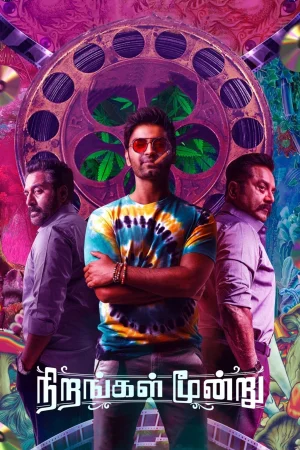






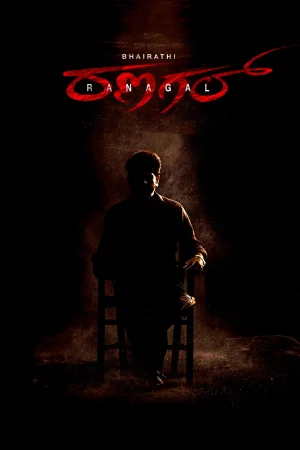


2024 represents cinema's ongoing evolution with filmmakers embracing new technologies while maintaining storytelling fundamentals that connect with global audiences. This year showcases remarkable diversity in production scales, from intimate independent dramas to spectacular visual experiences that utilize the latest advancements in digital filmmaking. As streaming and theatrical distribution continue to find equilibrium, 2024 offers compelling narratives that address contemporary concerns while providing entertainment and artistic expression. Our collection captures this transitional year's most significant contributions to the cinematic arts across genres and production backgrounds.
Technological Integration and Virtual Production
2024 demonstrates significant advancements in technological integration with virtual production techniques becoming increasingly sophisticated and accessible to filmmakers across budget levels. LED volume stages now enable creators to generate photorealistic environments in real-time, reducing location costs while expanding visual possibilities. Artificial intelligence tools assist with pre-visualization, script analysis, and even certain aspects of post-production, though human creativity remains central to the filmmaking process. These technological developments allow directors to visualize complex scenes more effectively and make creative decisions with greater confidence. The integration of game engine technology with traditional film production has created new workflows that blend cinematic storytelling with interactive media approaches, particularly in science fiction and fantasy genres where world-building benefits from these hybrid methodologies.
Environmental Themes and Sustainable Production
Cinema in 2024 increasingly addresses environmental concerns both thematically and through sustainable production practices that reduce the industry's ecological footprint. Numerous productions explicitly explore climate change, biodiversity loss, and humanity's relationship with nature through various genre frameworks, from documentary to speculative fiction. Behind the cameras, studios implement comprehensive sustainability protocols including carbon-neutral shooting, waste reduction systems, and renewable energy usage. These environmental considerations influence storytelling decisions, location choices, and production design approaches, creating films that not only discuss ecological issues but demonstrate responsible filmmaking practices. The industry's growing commitment to environmental stewardship reflects broader cultural shifts while providing audiences with entertainment that aligns with contemporary values.
Global Collaboration and Co-Production Models
International co-productions and cross-cultural collaborations reach new sophistication in 2024 with filmmakers from different countries working together on creative and financial levels. Streaming platforms facilitate these partnerships by providing global distribution that justifies increased production budgets for internationally appealing content. European and Asian collaborations produce particularly interesting hybrid narratives that blend storytelling traditions while maintaining cultural specificity. Language barriers diminish as production teams develop standardized workflows for multilingual projects, and performers from different regions appear together in ways that feel organic to narrative requirements. These collaborative models enrich global cinema with diverse perspectives while creating economic structures that support ambitious projects requiring international appeal to achieve financial viability.
Genre Hybridization and Audience Segmentation
Contemporary filmmakers increasingly embrace genre hybridization in 2024, creating productions that defy simple categorization while targeting specific audience segments with sophisticated marketing approaches. Romantic stories incorporate science fiction elements, horror films embed social commentary, and comedies address serious themes through humorous frameworks. This genre blending reflects audience preferences for novel experiences that still deliver expected emotional satisfactions, with streaming algorithms helping viewers discover these hybrid productions. Meanwhile, studios develop increasingly precise marketing campaigns that identify niche audience segments likely to appreciate specific genre combinations, using data analytics to match content with viewer preferences while still allowing for creative experimentation and surprise discoveries.