


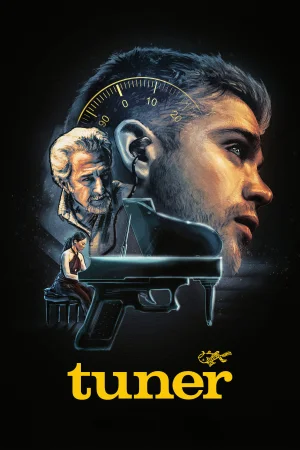
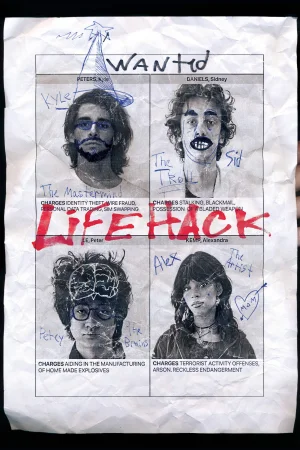



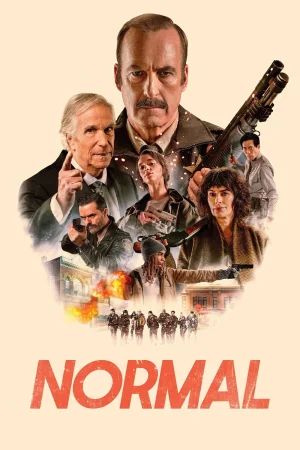
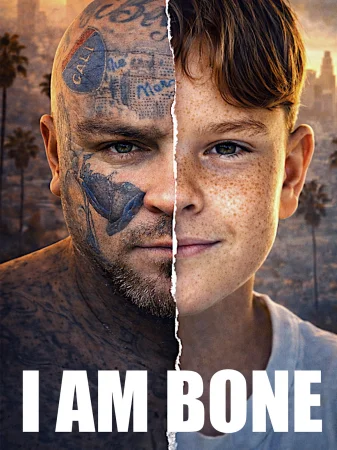




Dive into the dark underworld of criminal enterprises and justice pursuits with our intense crime movie collection that explores the complex dynamics between law enforcement, criminals, and victims through gritty storytelling and moral ambiguity. Our crime selection features meticulously researched films where investigative procedures, criminal psychology, and legal complexities create compelling narratives that examine society's relationship with justice and lawlessness. From police procedurals and heist thrillers to organized crime sagas and courtroom dramas, these movies deliver sophisticated entertainment that balances action with psychological depth. Featuring authentic detail and performance intensity, each crime film combines visceral impact with intellectual stimulation that keeps audiences engaged while exploring the blurred lines between right and wrong in pursuit of justice.
Investigative Authenticity and Procedural Accuracy
Crime movies distinguish themselves through rigorous investigative authenticity and procedural accuracy that creates credible depictions of law enforcement methodologies, forensic techniques, and legal processes through careful research and expert consultation. These technically informed productions employ law enforcement advisors, forensic experts, and legal consultants to ensure realistic portrayals of evidence collection, analytical procedures, and investigative protocols across different types of criminal cases and jurisdictions. The genre balances dramatic needs with procedural integrity, creating narratives that remain engaging while respecting the actual practices, limitations, and ethical considerations of real criminal investigations. Contemporary crime storytelling increasingly incorporates advancing forensic technologies, digital investigation methods, and psychological profiling techniques that reflect current law enforcement capabilities. This technical accuracy transforms crime movies into educational experiences that provide viewers with understanding of modern policing and forensic science while maintaining entertainment value through carefully constructed mysteries.
Criminal Psychology and Motivational Complexity
Crime movies excel at exploring criminal psychology and motivational complexity that examines the psychological, social, and economic factors driving criminal behavior through character development that transcends simple villain archetypes. These psychologically sophisticated productions create multidimensional criminals, victims, and investigators whose personal histories, moral frameworks, and psychological traits influence their actions and decisions within criminal contexts. The genre examines how childhood experiences, social circumstances, personality disorders, and situational factors contribute to criminal behavior, creating more nuanced understanding of lawbreaking beyond simple moral condemnation. Contemporary crime storytelling increasingly focuses on the psychological impact of crime on all involved parties, exploring trauma, moral injury, and long-term consequences that extend beyond immediate legal resolution. This psychological depth establishes crime movies as profound explorations of human behavior under extreme circumstances, creating viewing experiences that challenge simplistic notions of good and evil while fostering empathy for the complex human factors underlying criminal acts.
Moral Ambiguity and Ethical Dilemmas
Crime movies frequently feature compelling moral ambiguity and ethical dilemmas that challenge characters' principles, force difficult choices, and explore the complex relationship between legal justice and moral rightness within imperfect systems. These ethically engaged productions create situations where characters must balance competing values, conflicting loyalties, and situational necessities that test their ethical boundaries and personal integrity. The genre utilizes crime frameworks to examine universal moral questions about justice, revenge, redemption, and responsibility through stories that resonate beyond their specific narrative contexts. Contemporary crime storytelling increasingly emphasizes the gray areas where legal procedures conflict with moral imperatives, where institutional corruption compromises justice, and where personal relationships complicate professional duties. This moral complexity transforms crime movies into significant ethical inquiries that both entertain and provoke reflection on the nature of justice, the limits of law, and the challenges of maintaining morality in environments where clear ethical distinctions become blurred.
Social Commentary and Institutional Critique
Crime movies serve as powerful vehicles for social commentary and institutional critique that examine how socioeconomic factors, systemic inequalities, and institutional failures contribute to criminal activity and impede justice through narratives that make complex social problems personally comprehensible. These socially conscious productions address relevant issues including racial bias in policing, economic inequality's relationship to crime, judicial system limitations, and correctional institution effectiveness within dramatic frameworks that balance specific representation with universal emotional accessibility. The genre creates metaphorical connections between individual criminal cases and broader social patterns, helping viewers understand how personal tragedies intersect with larger structural problems. Contemporary crime storytelling increasingly emphasizes restorative justice approaches, community-based solutions, and systemic reform perspectives that challenge traditional law enforcement narratives. This social dimension establishes crime movies as significant cultural commentary that both reflects contemporary criminal justice challenges and potentially influences public understanding of crime prevention and justice administration.