

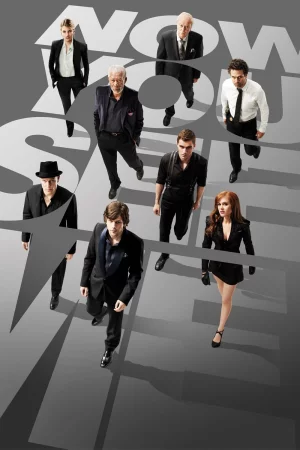
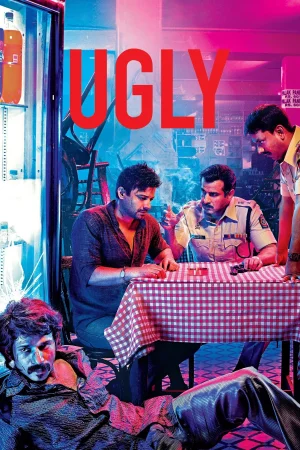



2013 showcased cinema's remarkable diversity and creative ambition, with filmmakers exploring new narrative territories while refining established genres. This year balanced commercial blockbusters with artistic risk-taking, resulting in a rich cinematic landscape that appealed to varied audience preferences. From groundbreaking space epics to intimate social commentaries, 2013 demonstrated the medium's continuing capacity for innovation and emotional resonance. The global film industry witnessed significant technological advancements alongside a renewed focus on character-driven storytelling, creating memorable productions that would influence subsequent filmmaking trends and audience expectations.
Space Exploration and Scientific Authenticity
The year 2013 marked a significant achievement in space cinema with productions that balanced scientific accuracy with emotional storytelling. Alfonso Cuarón's "Gravity" revolutionized visual effects and immersive filmmaking techniques while exploring themes of survival and human resilience in orbital environments. The film's technical innovations in lighting, camera movement, and sound design created unprecedented realism in depicting space operations. Meanwhile, "Europa Report" applied found-footage aesthetics to scientific exploration narrative, emphasizing procedural accuracy and psychological tension. These space-themed productions demonstrated how scientific authenticity could enhance rather than limit creative expression, with both films receiving recognition for their technical achievements and narrative sophistication. The success of these films encouraged subsequent productions to prioritize scientific consultation and realistic depiction of space environments.
Social Commentary and Political Relevance
Cinema in 2013 engaged directly with contemporary social issues and political concerns through narratives that combined entertainment with substantive commentary. Steve McQueen's "12 Years a Slave" presented an unflinching examination of American slavery with historical precision and emotional power, earning widespread critical acclaim. "The Act of Killing" redefined documentary filmmaking through its innovative approach to examining historical violence and perpetrator psychology. "Fruitvale Station" addressed racial injustice through intimate character study, while "The Great Gatsby" explored economic inequality and American decadence with visual opulence. These socially engaged productions demonstrated cinema's capacity to confront difficult historical and contemporary issues while maintaining artistic integrity and audience engagement.
Global Cinema and Cross-Cultural Dialogue
International cinema achieved remarkable creative heights in 2013 with productions that transcended cultural boundaries while maintaining distinctive national perspectives. Paolo Sorrentino's "The Great Beauty" examined Italian society and aesthetic philosophy with visual splendor, earning the Academy Award for Best Foreign Language Film. Blue is the Warmest Colour brought French intimacy and emotional authenticity to its exploration of love and identity, receiving the Palme d'Or at Cannes. South Korean cinema continued its creative ascent with "Snowpiercer"'s dystopian class commentary and "The Terror Live"'s real-time thriller tension. Indian cinema reached global audiences with "The Lunchbox"'s delicate romance and "Ship of Theseus"'s philosophical depth. These international productions enriched global cinema with diverse storytelling approaches and cultural perspectives.
Genre Innovation and Hybrid Approaches
Filmmakers in 2013 demonstrated remarkable genre innovation by blending established conventions with fresh narrative approaches and stylistic experimentation. "Her" combined science fiction elements with intimate romance to explore technology's impact on human connection. "The World's End" merged apocalyptic science fiction with comedic buddy film structure and philosophical undertones. "Prisoners" integrated mystery thriller elements with family drama intensity and moral complexity. "This Is the End" blended apocalyptic narrative with celebrity satire and meta-commentary. These genre-hybrid productions reflected filmmakers' increasing willingness to transcend traditional categorization, creating unique cinematic experiences that challenged audience expectations while delivering entertainment and intellectual stimulation.